Living with histamine intolerance can feel like a curse - the never-ending symptom flares, the various triggers that appear out of nowhere, and the constant search for the root cause can really wear you down.
But there’s hope! Two simple first steps can help calm histamine-related symptoms as you move through your healing journey.
The first is to follow a low histamine diet to lower your body’s histamine load, because lower histamine means fewer symptoms and flares.
The second comes in the form of a critical little enzyme called diamine oxidase, or DAO.
In this post I want to tell you all about DAO supplement benefits - its role in those living with histamine intolerance, and why it can be a key player in your recovery.
Let’s dive right in.
Why Is Diamine Oxidase So Important When It Comes to the Symptoms of Histamine Intolerance?
As you know, it’s the excessive accumulation of histamine in the body that triggers histamine intolerance symptoms including hives, itching, flushing, headaches, gut distress, heart palpitations and a host of other bothersome symptoms. While there are various causes, one of the key underlying mechanisms involves the enzyme diamine oxidase, or DAO.
Histamine is a compound normally produced during various metabolic functions taking place in the body. In the gut, it comes from gut bacteria and food sources.
While small amounts of histamine are needed for your body to function optimally, excessive amounts can disrupt multiple systems - particularly the gut, skin, heart, brain and endocrine or hormonal systems.
In order to control the amount of histamine in the gut, DAO is made by the cells lining the digestive system. It quickly degrades histamine so only small amounts are available to be absorbed into the bloodstream.
Now, when DAO is not made in the right amounts, its activity is blocked, or there’s simply too much histamine being made for DAO to keep up with, more histamine than the body needs is absorbed and your whole body can suffer as a result.
Research shows the amount of DAO in the gut is a critical factor to consider when it comes to histamine intolerance, and its low levels are one of the main reasons histamine intolerance occurs (1). Healthy individuals typically have around 40 units of DAO in their blood, but studies show it can be as low as 7 units in those with a histamine intolerance (2).
With less than 20% of what levels should be, it’s only natural for far more histamine to sneak through into your blood and around your body, increasing your histamine load and producing symptoms.
So, why does histamine imbalance occur in the first place?
What Causes Low Diamine Oxidase Levels and What Are the Consequences?
There are four main reasons DAO levels are not at their desired levels:
- Genetics. Without getting into a long and complicated discussion about genetics, many people with histamine intolerance carry a genetic polymorphism affecting DAO production (3). Simply put, it means one of the genes you have that should tell your intestinal cells to make DAO is not getting the right messages and so not enough is made.
- Gut issues. Your digestive system is lined with mucosal cells with many different functions depending on where they are situated along the digestive tract. Some of them are responsible for making the DAO enzyme. Unfortunately, when there is a high level of inflammation in the gut these mucosal cells are damaged, which means DAO output drops significantly. Gut inflammation can arise as a result of various factors: IBS, inflammatory bowel disorders, exposure to toxins, parasitic infections and imbalances in your gut microbes. And speaking of microbe imbalances, there is evidence to show those who are living without histamine intolerance have a wider diversity of gut flora than those living with the condition. Fewer types of gut microbes may mean more competition and the crowding out of some good species, leaving the histamine producing types able to flourish. Irritable bowel syndrome (IBS) has also been shown to have a strong connection to histamine intolerance, with those diagnosed with IBS showing increased sensitivity to histamine-releasing foods (4).
- Medications. Several medications can interfere with the production of DAO, essentially blocking it from being made (5). Antibiotics are the most common offenders, with various types of antiarrhythmics and stomach acid blocking medications being second on the list. Some painkillers as well as antidepressants have also been found to have anti-DAO activity. Other medications have also been shown to increase histamine at the same time as blocking DAO. A double whammy for your histamine load! Now, it’s important to note you should never stop any medication you’re taking without your doctor’s approval. But speak to your doctor about whether there’s an alternative, should you be on one of these types of medications and you’re finding it hard to control your symptoms of histamine intolerance.
-
Histamine intake. Even when DAO is adequate, higher than expected histamine levels in the gut may quickly deplete its reserves (6). It causes a situation that looks like there’s not enough DAO, but it’s actually the overwhelming demand on the enzyme causing the histamine problems.
The consequences manifest in multi-organ system dysfunction such as:
- Digestive symptoms: increased bloating, abdominal pain, changes in stool consistency (diarrhea and/or constipation), nausea, and feeling overly full after eating, even when in small amounts.
- Neurological issues: migraines and headaches are frequently associated with histamine intolerance stemming from lower than typical blood levels of DAO.
- Skin problems: flushing, itching, hives and rashes are all a common consequence of higher than normal histamine levels due to the significant number of histamine receptors located in the skin.
-
Heart and lung dysfunction: from heart palpitations to shortness of breath, high histamine absorption from the gut can even reach these critical organs, mimicking an anaphylactic reaction, which is why histamine intolerance is often referred to as a pseudoallergy.
Ultimately, low DAO and high histamine can cause unpredictable, bothersome flares that can have a serious impact on a person’s quality of life. There’s little wonder those of you living with histamine intolerance have a fear of potential triggers - especially when it comes to food - and why the condition can feel like a curse.
Now, the other problem when it comes to diamine oxidase and histamine intolerance, is there is no fully reliable diagnostic tool to measure its presence in the gut as of yet. While hospitals can measure blood levels of the enzyme, there is no evidence to suggest these levels correlate to its activity in the gut; the place you truly need it to work!
So where do you go from here? What's next when your internal simply isn't producing enough DAO?
Well, let's talk about DAO supplementation.
Here Are My Top 4 DAO Supplement Benefits
DAO supplement benefits are widespread and have been shown to significantly ease the many symptoms of histamine intolerance (7). Taking DAO may provide additional support through your healing from histamine journey by:
-
Reducing histamine symptom frequency and severity
In one small study, patients with histamine intolerance took one DAO capsule before each meal for 4 weeks. Their symptoms drastically improved, and increased again when the supplements were stopped. Overall, the evidence shows flares of symptoms affecting the skin, lungs, digestive system and heart are significantly less intense after starting DAO supplements and the intensity continues to decrease the longer the supplements are taken. The overall result was progressively decreased symptom severity and increased food tolerance.
-
Lowering your digestive discomfort and gut-histamine load
Bloating, gas, diarrhea and fullness after eating was significantly lower in patients who sought medical care for their digestive complaints from their first doctor’s visit to their 5th visit after being prescribed DAO supplements. In fact, abdominal pain in study participants went from almost 70% to 25% after taking DAO for 4 weeks. While not yet confirmed, emerging evidence suggests taking supplemental DAO may help the gut lining to recover by lessening the histamine burden in the gut, which offers another benefit to its use in addition to lowering histamine load.
-
Providing support when a low histamine diet alone is challenging or you’re exposed to higher histamine foods
There’s no two ways about it; following a low histamine diet to the letter is incredibly challenging, especially when you first start out. It can feel overwhelming trying to cut out foods you’re used to eating while also trying to manage your symptoms. One of the best DAO supplement benefits comes in the form of a “rescue”. If you’ve inadvertently eaten something higher in histamine, DAO may help to lessen the effects the histamine may have on your body. Although it’s best not to rely on DAO in this way, it can give you a little more breathing room knowing there’s something out there to help you in your mission to optimize your low histamine diet.
-
Decreasing your need to rely on antihistamines
Many individuals turn to over-the-counter antihistamines to control symptoms when they get out of hand. But they too can leave you feeling less than yourself and with other symptoms such as dry mouth, cognitive deficits, dizziness and headaches to deal with. In a small study, participants who used DAO supplements for 30 days needed to rely on antihistamines less than those who did not take the supplements. While the study showed the DAO supplements had only a slight benefit, there are ways to increase the effect of your DAO supplementation. With the combination of a low histamine diet, managing specific triggers such as stress or blood sugar, determining your root cause of histamine intolerance and using the supplements you may notice a far greater effect on your symptoms overall, with benefits to your every system in your body such as your skin, brain, lungs, hormones and heart function.
As you can see, DAO supplements have not only been shown to have promising effects on every aspect of histamine intolerance, but they’re safe and tolerable, even in those who may be more sensitive.
If you’re ready to give DAO a try, let's talk about how to select and utilize a high-quality supplement, to get the most effect when addressing symptoms.
Choosing and Using the Right Diamine Oxidase Supplement for Histamine Intolerance
Here are my top five tips for choosing and using a DAO supplement when you’re living with histamine intolerance:
-
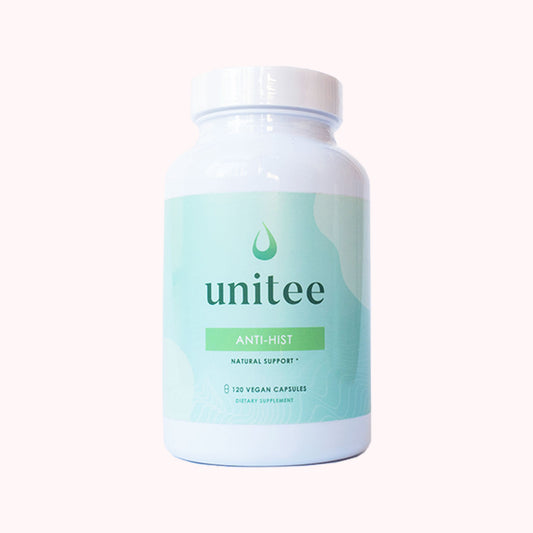
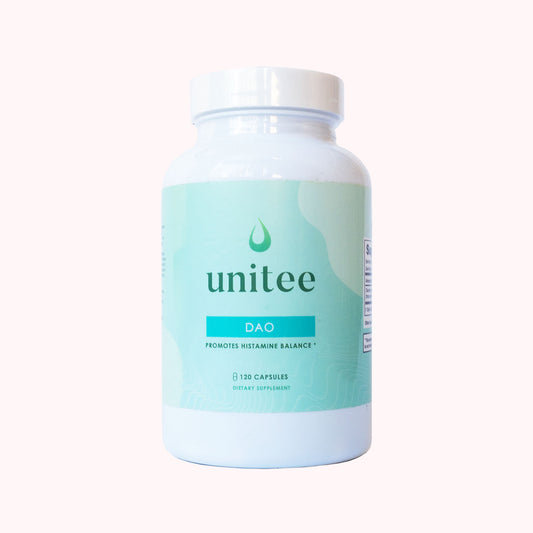
Always select a supplement from a reputable company. To ensure potency and purity and get the most appropriate enzymatic activity from your supplement, it’s important to look for a reputable company for your supply of DAO. Most DAO supplements are made from porcine kidney, so it’s also key to use a product that has gone through third party testing to measure purity and potency. Look for a product without any additional fillers or ingredients, or exposure to gluten-, soy-, corn- or dairy-containing food substances, as they may trigger symptoms despite the DAO’s efforts to reduce them. And to top it off, knowing good manufacturing practices were used will help to ensure the overall quality, cleanliness and transparency of what you're ingesting. Unitee DAO enzyme checks all of these boxes, making it a perfect option for a potent DAO supplement.
-
Use your DAO at the right time. The most effective way to use DAO is to take it around 15 minutes before eating, ideally as you’re preparing your meal, to ensure it's active when digestion begins. Of course, if you forget, you can take the DAO as you start eating, or with the first few bites of a meal. DAO supplements can also be used as a “rescue” when you’ve accidentally been exposed to high histamine foods. In this case, take double the dose after the meal to help mitigate the symptoms.
-
Monitor the effects and your progress. The best way to determine the DAO supplementation benefits on your histamine intolerance is to monitor your symptoms. Keep a diary of your symptoms for 2-3 weeks, especially when you first introduce DAO into your routine. By monitoring your reactions and response, you’ll be able to manage how much you need to take and when. While I recommend 2 capsules 15 minutes before a meal as the full dose of DAO, you may find you only need 1 to get the desired effects, or 3 when you’ve had a little too much histamine. You may also want to gradually reduce the amount you are using as your symptoms of histamine intolerance become more under control.
-
Don’t rely on DAO alone. If you truly want to overcome histamine intolerance, DAO alone is not the answer. DAO can be a powerful ally, and is often a significant help! But it’s not a magic bullet in treating and overcoming histamine intolerance. Addressing the root cause of your condition is essential in addition to following a low histamine diet and managing your triggers. DAO alone can provide tremendous relief and is a significant piece of the histamine intolerance puzzle - but it's not the only one!
- Safe and tolerable, but there are two key safety points. Research on DAO supplementation for histamine intolerance shows its overall safety and tolerability. However, two safety concerns should be noted. The first is in those with pork allergies, who should avoid taking them due to the hypersensitivity risk. The second is in those with copper metabolism disorders such as Wilson’s disease or in those currently taking high amounts of copper, as DAO can increase blood copper levels.
Final Thoughts: Using DAO in Your Histamine Healing Journey
When you need a little extra help in managing your symptoms of histamine intolerance, DAO enzyme supplements could be the answer you've been looking for. DAO enzymes are safe and effective, and supplementation may be the missing piece in your journey to healing from histamine.
References:
- Schnedl WJ, Enko D. Histamine Intolerance Originates in the Gut. Nutrients. 2021; 13(4):1262.
- Manzotti G, Breda D, Di Gioacchino M, Burastero SE. Serum diamine oxidase activity in patients with histamine intolerance. Int J Immunopathol Pharmacol. 2016 Mar;29(1):105-11.
- Maintz L, Yu CF, Rodríguez E, Baurecht H, Bieber T, Illig T, Weidinger S, Novak N. Association of single nucleotide polymorphisms in the diamine oxidase gene with diamine oxidase serum activities. Allergy. 2011 Jul;66(7):893-902.
- Böhn, L.; Störsrud, S.; Törnblom, H.; Bengtsson, U.; Simrén, M. Self-reported food-related gastrointestinal symptoms in IBS are common and associated with more severe symptoms and reduced quality of life. Am. J. Gastroenterol. 2013, 108, 634–641.
- Leitner R, Zoernpfenning E, Missbichler A. Evaluation of the inhibitory effect of various drugs / active ingredients on the activity of human diamine oxidase in vitro. Clin Transl Allergy. 2014 Jul 18;4(Suppl 3):P23.
- Maintz, L., Novak, N. Histamine and histamine intolerance. The American Journal of Clinical Nutrition. Volume 85, Issue 5, May 2007, Pages 1185-1196
- Schnedl WJ, Schenk M, Lackner S, Enko D, Mangge H, Forster F. Diamine oxidase supplementation improves symptoms in patients with histamine intolerance. Food Sci Biotechnol. 2019 May 24;28(6):1779-1784.

Anita Tee
My name is Anita Tee. I'm a nutritional scientist specializing in histamine intolerance. I hold a Master of Science in Personalized Nutrition and a Bachelor of Science in Human Biology and Psychology.
For the past ten years, I have used my experience in nutritional and medical health sciences to create a scientifically backed, natural approach to healthcare that relies 100% on evidence-based research.
As I previously suffered from - and overcame - histamine intolerance, my focus is to increase recognition and expand the available resources and protocols for resolving the disorder. To date, I have helped over 4,000 individuals fully resolve or better manage their histamine intolerance symptoms.