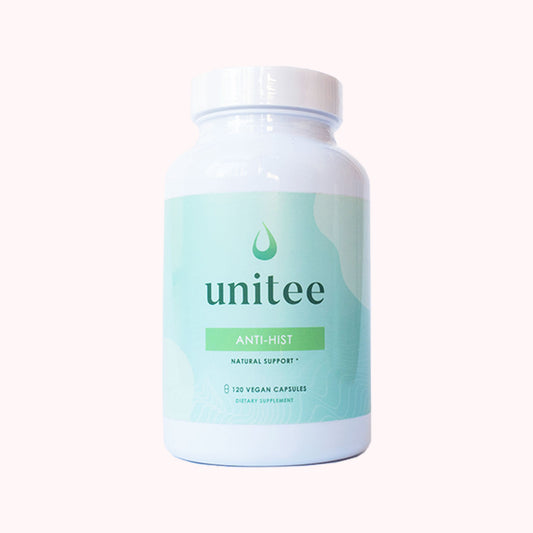
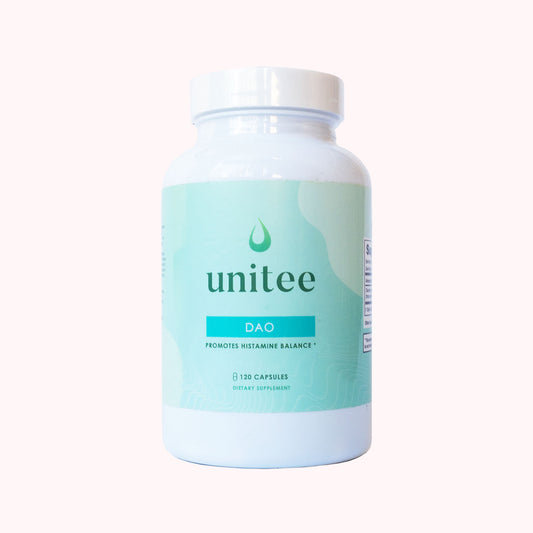
If you have been looking at DAO supplements, you have probably asked the question I hear most: what are the side effects? It is a fair question. Before you spend money on anything you take into your body, you deserve a straight answer.
I have spent a long time reading the research on histamine and the enzyme diamine oxidase (DAO). In this guide, I will walk you through the DAO supplement side effects you are most likely to notice, the rare ones you should take seriously, and who should skip these products altogether. I will also explain why they are not the same as the antihistamines you can pick up at a pharmacy.
This is general information, not medical advice. Always speak with your doctor before you start a new supplement.
What DAO Does in Your Body
DAO stands for diamine oxidase. It is an enzyme made mainly in the lining of the small intestine. Its job is to break down histamine from food before that histamine can pass into your bloodstream [1].
Histamine is a normal chemical messenger. It helps regulate digestion, sleep, and immune responses. It also occurs naturally in many foods, including aged cheese, cured meats, wine, and fermented products. For most people, DAO clears this histamine without any trouble.
Some people appear to produce less DAO, or their levels drop for reasons that are not yet fully understood. When that happens, histamine can build up and cause symptoms. This is often called histamine intolerance [2]. DAO supplements aim to top up the enzyme so that food histamine is broken down before it causes problems.
DAO Supplements: What the Research Says So Far
The science is promising, but it is still early. A small number of trials have reported symptom improvement in people with suspected histamine intolerance after taking DAO supplements [3]. Some of these studies were small, and many relied on self-reported symptoms, which can be influenced by expectations [3].
Researchers also continue to debate how histamine intolerance should be diagnosed in the first place [4]. There is no single agreed test, which makes it harder to know whether a supplement is helping the right problem. Reviews of the field tend to agree on one point: more high-quality trials are needed [5].
So here is my honest view. DAO supplements may help some people. They are not a proven cure for anything, and the evidence is nowhere near as deep as what exists for many prescription medicines. Keep that in mind as you read on.
Common Mild DAO Supplement Side Effects
Most people who take DAO supplements tolerate them well. When side effects do happen, they tend to be mild and often short-lived. They can feel unpleasant, but they are usually not dangerous. That said, mild does not mean meaningless. If something persists or worries you, talk to a healthcare professional.
Digestive Changes
Stomach discomfort is the most common complaint. You might notice bloating, gas, mild cramping, or a change in bowel habits. A few people feel slightly queasy in the first few days. Taking the capsule with a meal can help. Your gut is adjusting, and that adjustment does not always feel comfortable.
Keep the label dose in mind, and do not assume more is better. If digestive symptoms are strong, ask your doctor whether the amount you are taking still makes sense for you.
Headache and Tiredness
A small number of people report headaches or a mild sense of fatigue. These are easy to blame on the supplement, and just as easy to dismiss. Keep a simple note of when symptoms start, what you ate that day, and when you took your dose. That log will tell you far more than guessing.
Skin Reactions
Mild itching, flushing, or small raised patches can occur, particularly if your skin already reacts easily to histamine. Stop taking the product and speak to your doctor if skin changes spread, worsen, or do not settle.
Rare but Serious DAO Supplement Side Effects
Severe allergic reactions are uncommon, but they are real. Watch for swelling of the lips, tongue, or throat, difficulty breathing, fainting, dizziness, or a racing heartbeat. These signs mean you need emergency help straight away. Call your local emergency number. Do not wait to see whether it passes.
Because many DAO products are derived from animal tissue, a reaction to a specific ingredient is also possible. Read the full ingredient list before you buy, and check for fillers, flavourings, or capsule materials that you know you react to.
Who Should Avoid DAO Supplements
Some people should not use these products without speaking to a doctor first. Here are the main groups to consider.
Pregnancy and Breastfeeding
Pregnancy needs special care. DAO activity is naturally present in the placenta, and researchers have studied its role during pregnancy. That does not mean supplements have been proven safe for pregnant or breastfeeding women. There is simply not enough safety research on this group. If you are pregnant, trying to conceive, or breastfeeding, talk to your midwife or doctor before you start anything.
Pork-Based Products and Dietary Rules
Many DAO supplements are sourced from pig kidney. If you follow a halal, kosher, or vegetarian diet, or you avoid pork for personal or religious reasons, check the label carefully. Plant-based alternatives exist, but their quality and evidence base can vary. Look for clear sourcing details from the manufacturer before you buy.
People Taking Other Medicines
If you take antihistamines, medicines for stomach acid, or any prescription drug, speak to your pharmacist first. Supplements can interact with medicines in ways that are hard to predict. Do not stop or change a prescription without advice from your doctor. Alcohol is also worth mentioning here. It is high in histamine and can interfere with DAO activity [2].
How DAO Supplements Differ From Prescription Antihistamines
This is the question that matters most to many readers. People often assume DAO supplements work like allergy tablets. They do not, and understanding the difference will help you set realistic expectations.
Prescription antihistamines block histamine receptors on cells throughout the body. They stop histamine from delivering its message. First-generation versions, such as diphenhydramine, cross into the brain and commonly cause drowsiness [6]. Newer second-generation versions, such as cetirizine and loratadine, cause less sedation, but they still act on receptors across the body [7].
DAO supplements work at a different point in the process. They aim to break down histamine in the gut before it is absorbed. That is a different mechanism, which means the side effect profile is different too. You are less likely to feel sleepy, for example, but you may notice more digestive changes.
There is also a difference in how much we know. Antihistamines have decades of safety data, clear dosing guidance, and well-understood risks [8]. DAO supplements have far less long-term research. That gap is the reason to approach them with informed caution rather than blind trust.
Never swap one for the other without medical advice. In some cases, the two may be considered together, but only under professional guidance.
Practical Steps Before You Start Taking a DAO Supplement
Before you buy, take three simple steps. First, talk to your doctor, especially if you have a long-term condition or take daily medication. Second, read the label carefully. Check the dose, the ingredients, and the sourcing. Third, decide on a trial period and track how you feel.
Choose manufacturers that are reliable, and publish third-party testing results. Be wary of any product that claims to cure a condition. A supplement cannot cure disease, and a brand that says it can is a clear warning sign. If you notice anything severe during your trial, stop taking the product and seek medical care.
The Bottom Line About DAO Supplement Side Effects
DAO supplement side effects are usually mild. Bloating, stomach upset, and occasional headaches are the most common. Serious reactions are rare, but they need urgent care. Certain groups should avoid these products or check with a professional first. And unlike prescription antihistamines, DAO supplements act in the gut rather than on histamine receptors, so they are not a like-for-like swap.
Go in with clear expectations, ask good questions, and keep your doctor involved. That approach will serve you far better than hoping a capsule solves everything.
References
- Schnedl WJ, Enko D. Histamine intolerance originates in the gut. Nutrients. 2021;13(4):1062.
- Maintz L, Novak N. Histamine and histamine intolerance. Am J Clin Nutr. 2007;85(5):1185-1196.
- Schnedl WJ, Schenk M, Lackner S, Enko D, Mangge H, Forster F. Diamine oxidase supplementation improves symptoms in patients with histamine intolerance. Food Sci Biotechnol. 2019 May 24;28(6):1779-1784.
- Comas-Basté O, Sánchez-Pérez S, Veciana-Nogués MT, Latorre-Moratalla M, Vidal-Carou MDC. Histamine Intolerance: The Current State of the Art. Biomolecules. 2020 Aug 14;10(8):1181.
- Hrubisko M, Danis R, Huorka M, Wawruch M. Histamine Intolerance-The More We Know the Less We Know. A Review. Nutrients. 2021 Jun 29;13(7):2228.
- Church MK, Maurer M, Simons FE, et al. Global Allergy and Asthma European Network. Risk of first-generation H(1)-antihistamines: a GA(2)LEN position paper. Allergy. 2010 Apr;65(4):459-66.
- Simons FE. Advances in H1-antihistamines. N Engl J Med. 2004 Nov 18;351(21):2203-17.
- Simons FE, Simons KJ. Histamine and H1-antihistamines: celebrating a century of progress. J Allergy Clin Immunol. 2011 Dec;128(6):1139-1150.e4.

Anita Tee
My name is Anita Tee. I'm a nutritional scientist specializing in histamine intolerance. I hold a Master of Science in Personalized Nutrition and a Bachelor of Science in Human Biology and Psychology.
For the past ten years, I have used my experience in nutritional and medical health sciences to create a scientifically backed, natural approach to healthcare that relies 100% on evidence-based research.
As I previously suffered from - and overcame - histamine intolerance, my focus is to increase recognition and expand the available resources and protocols for resolving the disorder. To date, I have helped over 4,000 individuals fully resolve or better manage their histamine intolerance symptoms.