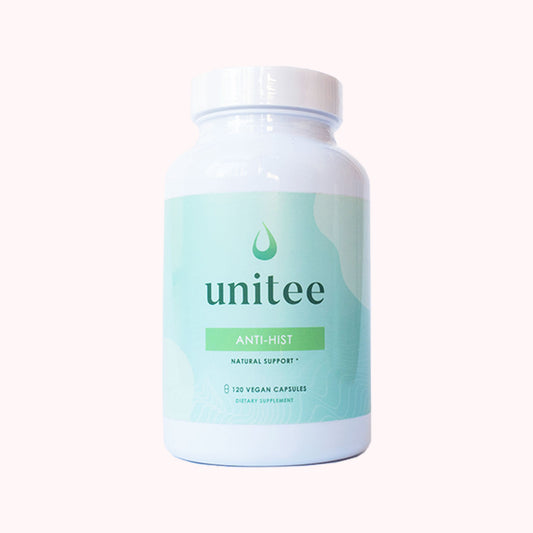
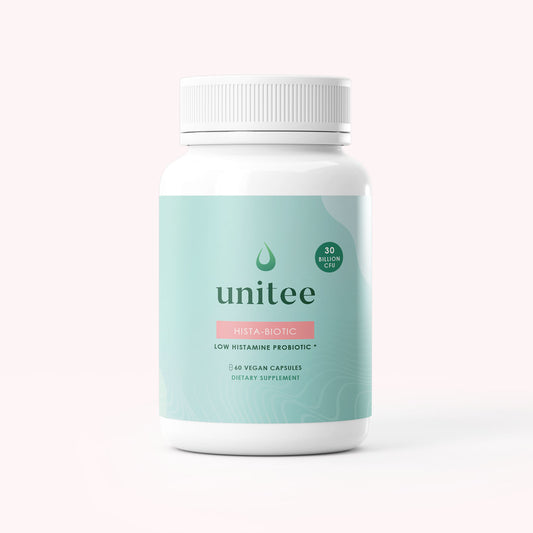
If you've spent any time in functional medicine circles lately, you've probably noticed how often mold comes up. Patients trade stories about musty basements and water stains behind drywall the way other people trade recipes. It's become one of the most talked about, and most polarizing, topics in chronic illness communities, and for good reason: a lot of people with unexplained fatigue, brain fog, and food reactivity have gone years without an answer, and mold toxicity is one of the few explanations that finally seems to connect the dots.
I want to walk you through what's actually being studied here, specifically the proposed link between mold exposure, mast cell activation, and histamine intolerance. But I also want to remain honest about where the evidence is strong, where it's still developing, and where mainstream medicine and functional medicine genuinely disagree. This is a nuanced, still-evolving area, and nothing here is meant to diagnose you. If you suspect mold illness or histamine intolerance, the right next step is a conversation with a knowledgeable clinician, not a checklist from the internet.
What People Mean by "Mold Toxicity"
Mold toxicity, sometimes called biotoxin illness or, in more clinical language, chronic inflammatory response syndrome (CIRS), refers to a cluster of symptoms some people develop after spending time in water-damaged buildings. CIRS is described in the literature as an acquired condition involving innate immune dysregulation following respiratory exposure to damp, moldy indoor environments, with symptoms that touch nearly every organ system at once: fatigue, brain fog, joint pain, headaches, sinus congestion, and mood changes among them [1].
This isn't a fringe idea invented online. Researchers, most notably physician Ritchie Shoemaker and colleagues, have published time-series studies tracking inflammatory markers in people exposed to water-damaged buildings, and have proposed mechanisms by which biotoxins might disrupt normal immune regulation [2][3]. One MRI-based study even reported structural brain differences, including changes in the caudate nucleus and amygdala, in patients with CIRS related to water-damaged buildings compared with unexposed controls, an intriguing if still preliminary finding [4].
Where things get more contested is in diagnosis and testing, which we'll come back to.
The Mast Cell Piece of the Puzzle Linking Mold Toxicity and Histamine Intolerance
Here's where histamine enters the picture. Mast cells, the immune cells responsible for releasing histamine and a long list of other inflammatory chemicals, are stationed throughout your gut lining, airways, skin, and sinuses. These happen to be exactly the same tissues that come into contact with mold spores and their metabolic byproducts, known as mycotoxins.
A 2018 study published in the Journal of Biological Regulators and Homeostatic Agents examined how fungi interact with mast cells directly. The researchers described how fungal spores are recognized by toll-like receptors on mast cells, triggering a cascade that activates inflammatory pathways and prompts mast cells to release histamine, tryptase, and pro-inflammatory cytokines. They noted that this fungus-driven mast cell activation has been associated with symptoms like sinusitis, bronchitis, fatigue, nausea, headaches, and brain fog, a symptom list that will look immediately familiar to anyone who has researched histamine intolerance [5].
This is the mechanism that functional and integrative medicine practitioners point to when they talk about "mold illness histamine" reactions. It’s the theory that ongoing mold or mycotoxin exposure keeps mast cells in a chronically activated state. The activated mast cells flood the body with histamine faster than it can be cleared, and produce a clinical picture that looks a lot like mast cell activation syndrome (MCAS) even in people who never had allergies before.
It's worth being precise about the evidence here. The mast cell-mold interaction itself is reasonably well documented in immunology research, particularly around fungal allergy and hypersensitivity [5]. What's still emerging, and less firmly established, is the specific claim that mycotoxins from water-damaged buildings (as opposed to mold allergens generally) directly drive chronic histamine intolerance in genetically or immunologically susceptible people. That link is actively being explored in functional and integrative medicine, and it's a reasonable hypothesis given what we know about mast cell biology. But it hasn't yet been confirmed with the kind of large, controlled studies that would settle the question definitively.
Why This Symptom Overlap Feels So Familiar with Mold Toxicity and Histamine Intolerance
If you're dealing with mold toxicity, histamine intolerance, or both, the symptom list can feel almost identical. With the headaches and migraines, flushing or hives, digestive upset, nasal congestion, fatigue that doesn't respond to rest, anxiety or a wired-but-tired feeling, and brain fog that makes work and conversation harder than they should be can be symptoms of both mold toxicity and histamine intolerance.
Clinicians who work with mold-exposed patients frequently describe a feedback loop. The ongoing mold exposure keeps mast cells activated, activated mast cells release more histamine than the body can clear, and the resulting histamine intolerance amplifies nearly every other symptom in the picture, including the neurological and gastrointestinal ones. Several integrative practices have written about this pattern in detail, describing mold as one of the more common and frequently overlooked triggers behind stubborn, treatment-resistant MCAS presentations.
Why The Topic of Mold Toxicity and Histamine Intolerance Has Exploded in Functional Medicine
Part of why mold illness and histamine have become such a passionate subject online is that a lot of people affected by it have been dismissed, sometimes for years, by conventional workups that come back "normal." Standard bloodwork doesn't typically flag mold exposure or histamine dysregulation, and many primary care visits simply aren't structured to explore environmental triggers in depth.
Functional and integrative medicine has stepped into that gap. Its focus on root-cause thinking, chronic inflammation, and environmental exposures has resonated deeply with patients who felt unheard elsewhere. That's a real and valuable service. At the same time, it's fair to say the testing and treatment landscape around mold illness has moved faster than the peer-reviewed evidence in some areas. It is exactly why it's worth separating what's well supported from what's still being worked out before you spend money or make major life changes.
The Testing Question for Mold Toxicity and Histamine Intolerance: What's Solid and What's Shaky
This is the part of the conversation deserving the most care. It's where enthusiasm and evidence can pull in different directions.
Urine mycotoxin testing has become extremely popular in functional medicine as a way to "prove" mold exposure. However, multiple public health and toxicology bodies have raised significant concerns about these tests. The CDC published a notes-from-the-field report specifically warning against using unvalidated urine mycotoxin tests for clinical diagnosis, after finding several such tests lacked scientific support for the exposure claims they were making [6]. The American College of Medical Toxicology has similarly stated urine mycotoxin biomonitoring has not been validated in well-designed epidemiological studies and is not recommended as a way to assess human mold exposure. They also state mycotoxin antibody testing lacks an accepted scientific basis for the same purpose. A separate review of the medical effects of mold exposure, published in the Journal of Allergy and Clinical Immunology, similarly emphasized most mold-related symptoms in indoor environments are consistent with ordinary allergic and irritant responses rather than mycotoxin poisoning, and cautioned against overinterpreting exposure from these tests [7].
None of this means your symptoms aren't real, or mold in your environment doesn't matter. It means a positive urine mycotoxin test alone is not, by current mainstream standards, proof of mold-related illness, since mycotoxins can also show up in urine from ordinary dietary sources like coffee, grains, and wine. If you do pursue this kind of testing, it's worth doing so alongside a clinician who can interpret results in context rather than in isolation. And a clinician who is upfront with you about what the test can and can't tell you.
Practical Next Steps for Addressing Mold Illness and Histamine: Start With the Environment
Whatever your view on biomarker testing, there is broad agreement across both functional and conventional medicine on one point: if you have an ongoing mold problem in your home or workplace, addressing the exposure itself comes first.
-
Get a professional inspection if you notice musty odors, visible mold, or a history of water damage, rather than relying on home test kits alone.
-
Prioritize remediation over masking. Air purifiers and cleaning products can help manage direct mold exposure, but won't resolve an active moisture problem behind walls or under flooring.
-
Control indoor humidity by generally keeping it below 50%. Mold needs moisture to grow and spread.
-
Consider your building's history, particularly prior flooding, leaks, or renovations. Hidden mold behind finished surfaces is common in older buildings.
-
Track your symptoms against your environment, noting whether symptoms improve when you're away from a specific building for several days. It can be a useful, low-cost piece of information to bring to a clinician.
Dietary and Supplement Support for Mold Toxicity and Histamine Intolerance Commonly Discussed in Integrative Care
Alongside environmental changes, many integrative and functional practitioners incorporate dietary and nutritional strategies aimed at supporting histamine clearance and calming mast cell reactivity while a person addresses their mold exposure. Commonly discussed approaches include:
-
Following a temporary low-histamine diet, limiting aged, fermented, and leftover foods, which some people find reduces symptom burden while other triggers are being addressed [8].
-
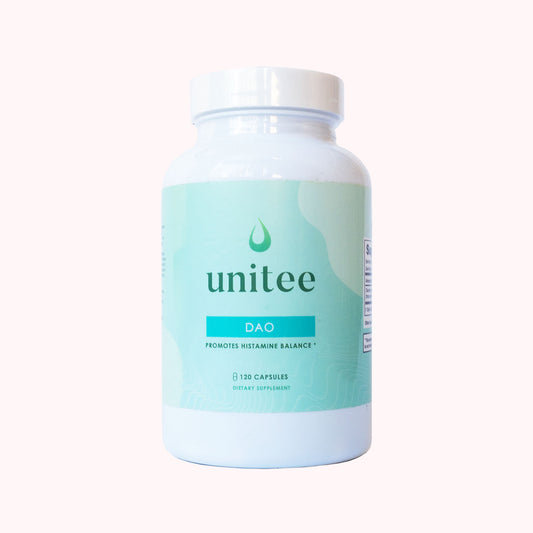
DAO enzyme supplementation, since diamine oxidase is the primary enzyme responsible for breaking down dietary histamine, and small studies have shown symptom improvement with supplementation in people with confirmed histamine intolerance [9].
-
Mast cell stabilizing nutraceuticals, such as quercetin and vitamin C, which are frequently used in integrative protocols, though rigorous clinical trial data specifically for mold-related histamine symptoms remains limited.
-
Using binders like activated charcoal or prescription cholestyramine. These are sometimes used in CIRS-focused protocols with the goal of interrupting toxin recirculation, though these require medical supervision since they can also interfere with medication and nutrient absorption.
None of these strategies substitute for identifying and resolving the source of ongoing mold exposure. None should be started, especially binders or prescription-strength interventions, without guidance from a clinician familiar with your full health picture.
Bringing Mold Toxicity and Histamine Intolerance to Your Doctor
If this pattern sounds like your own experience, the most useful thing you can do is find a clinician who takes both environmental exposures and mast cell or histamine symptoms seriously. Whether that's an integrative medicine practitioner, an allergist or immunologist with MCAS experience, or a physician familiar with CIRS. Come prepared with a symptom timeline, notes on your home or workplace environment, and specific questions about which tests are validated for what they claim to measure. This is a fast-moving area of research, and patients who ask sharp, informed questions tend to get better answers.
Mold Illness and Histamine: The Takeaway
Emerging research supports a biologically plausible connection between mycotoxin exposure and mast cell activation. The link between mold exposure and histamine intolerance is rooted in how mast cells recognize and respond to fungal components. What's less settled is exactly how to measure exposure and confirm the diagnosis in an individual person. This gap is precisely why the topic remains such an active, sometimes contentious, conversation in functional medicine. Addressing your environment first, working with a clinician who understands both sides of this evidence, and staying skeptical of any single test claiming to explain everything are the most reliable steps you can take right now.
References
- Dooley M, Vukelic A, Jim L. Chronic inflammatory response syndrome: a review of the evidence of clinical efficacy of treatment. Ann Med Surg (Lond). 2024 Nov 8;86(12):7248-7254
- Shoemaker RC, House D, Ryan JC. A time-series study of sick building syndrome: chronic, biotoxin-associated illness from exposure to water-damaged buildings. Neurotoxicol Teratol. 2005.
- Shoemaker RC, House DE. Sick building syndrome (SBS) and exposure to water-damaged buildings: time series study, clinical trial and mechanisms. Neurotoxicol Teratol. 2006 Sep-Oct;28(5):573-88.
- Shoemaker RC, House D, Ryan JC. Structural brain abnormalities in patients with inflammatory illness acquired following exposure to water-damaged buildings: a volumetric MRI study using NeuroQuant®. Neurotoxicol Teratol. 2014 Sep-Oct;45:18-26.
- Kawamoto M, Page E; Centers for Disease Control and Prevention (CDC). Notes from the field: Use of unvalidated urine mycotoxin tests for the clinical diagnosis of illness--United States, 2014. MMWR Morb Mortal Wkly Rep. 2015 Feb 20;64(6):157-8.
- Bush RK, Portnoy JM, Saxon A, Terr AI, Wood RA. The medical effects of mold exposure. J Allergy Clin Immunol. 2006 Feb;117(2):326-33.
- Maintz L, Novak N. Histamine and histamine intolerance. Am J Clin Nutr. 2007 May;85(5):1185-96.
- Schnedl WJ, Schenk M, Lackner S, Enko D, Mangge H, Forster F. Diamine oxidase supplementation improves symptoms in patients with histamine intolerance. Food Sci Biotechnol. 2019 May 24;28(6):1779-1784.
- Arih K, Đorđević N, Košnik M, Rijavec M. Evaluation of Serum Diamine Oxidase as a Diagnostic Test for Histamine Intolerance. Nutrients. 2023 Oct 2;15(19):4246.

Anita Tee
My name is Anita Tee. I'm a nutritional scientist specializing in histamine intolerance. I hold a Master of Science in Personalized Nutrition and a Bachelor of Science in Human Biology and Psychology.
For the past ten years, I have used my experience in nutritional and medical health sciences to create a scientifically backed, natural approach to healthcare that relies 100% on evidence-based research.
As I previously suffered from - and overcame - histamine intolerance, my focus is to increase recognition and expand the available resources and protocols for resolving the disorder. To date, I have helped over 4,000 individuals fully resolve or better manage their histamine intolerance symptoms.