If you’re looking to improve the gurgling, pain and distention in your belly as a result of living with histamine intolerance, what’s the first solution that comes to mind?
If you said probiotics, you would be correct!
Probiotics have a favourable effect on the overall function of your digestive tract, and can offer serious benefits when it comes to histamine intolerance - of course, that’s only true when you’ve chosen the correct ones.
If you choose the wrong variety, it can actually end up worsening your symptoms, which could undo any progress you’ve already made in your efforts to heal from histamine intolerance!
So, before you race to your nearest health food store to pluck a bottle of their most popular probiotics off the shelf, there are a few key factors you need to know.
Today, I’ll reveal those key factors, and let you in on the best probiotics you need to support your overall health when you’re living with histamine intolerance. I’ll tell you all about the science behind using probiotics - without making it boring! - to ensure you can confidently choose the right low histamine probiotic to reap the full benefits and avoid harm.
But first, let’s get into what you need to know about how probiotics affect histamine, so you can support your gut, immune system and overall health, not sabotage it! To begin, we’ll take a deeper dive into your gut health and how it relates to the condition.
Here’s the Low Down on Gut Health and Histamine Intolerance Connection
Often, people think histamine intolerance is a food issue. They think they’ve become allergic to the histamine they’re consuming in their diet, which is causing all of their symptoms.
That’s not 100% incorrect. Of course, histamine intolerance can cause allergy-like symptoms, but it’s more of a pseudo-allergy. Histamine intolerance is known as a pseudo-allergy because the immune system follows a similar pathway it would when there’s a real allergen triggering it. But there is no real allergen present (1). You see, even though it may feel like you’re allergic to food, histamine intolerance is not actually caused by the food you’re eating. Rather, it commonly develops as a result of complex changes in the way you digest, metabolize and process food. Essentially, histamine intolerance starts because of dysfunction in your gut, and this dysfunction has a deeply rooted reason you have histamine intolerance in the first place, and why it may be progressing (2).
The first aspect we need to look at when it comes to histamine intolerance and gut health is the function of the histamine degrading enzyme called diamine oxidase (DAO). DAO is made by the cells lining the digestive tract, so any dysfunction in the way these cells work can greatly affect the availability of the enzyme to degrade histamine. One of the most common causes of cellular dysfunction is inflammation. Inflammation has a huge impact on your gut, and can cause disruption to its smooth working processes. It can cause those all important cells in the lining of the gut to lose their ability to hold their structure and regenerate themselves when they become damaged (3).
Not only does this lead to increased gut permeability, also known as leaky gut, it can compromise the production and activity of DAO. When DAO activity is hampered, histamine is ineffectively broken down in the gut. With more histamine flowing freely through the gut, it can create even more inflammation. It becomes a vicious cycle of high inflammation and intestinal cellular damage leading to elevated histamine. Additionally, more histamine within the digestive tract means more of it is allowed to pass through into your blood stream. With histamine flowing freely in your blood, histamine receptors easily pick it up, triggering a substantial increase in body-wide symptoms associated with histamine intolerance.
So where do probiotics fit in?
Well, before we get to the low histamine probiotic strains, we need to understand what they are: they’re basically supplemental bacteria. Bacteria are a key functional aspect of your gut health, and have critical interplay with your metabolism, digestion and use of nutrients.
The Bacteria in Your Gut Hold the Key to Optimal Digestion
There are trillions of bacteria (along with some yeasts and viruses) that inhabit your gut. They have a very important role to play in not only the health of your gut, but how your whole body functions. These bacteria consist of specialized colonies that have key effects on digestion, metabolism and the health of the cells lining the tract, amongst many other roles.
Now, when things are in harmony, and your gut bacteria are doing what they need to, you’re largely unaware of the intricate synergistic interplay between your gut and these little critters, or the processes taking place in your gut (4). It’s when there’s disruption that it has a profound effect on intestinal and overall health, causing various pathologies to develop.
When your gut microbiota does not contain the appropriate varieties of diverse species, a condition called dysbiosis develops. Dysbiosis is a general term used for the imbalance in gut bacteria, where more bothersome species overtake the beneficial ones. When you have dysbiosis, your body will certainly give you clues as to what’s happening. You’ll become hyper aware there’s something wrong when you begin to experience symptoms such as gas, bloating, cramping, diarrhea, constipation, or nausea, to name a few.
Dysbiosis can lead to histamine intolerance through various mechanisms, the main one being lack of support to maintain the intestinal lining. As you know, breakdown of the cells lining the intestinal tract can reduce the availability of DAO, and low DAO leads to histamine flares.
When you develop dysbiosis, probiotics can be extremely helpful. They can balance out the bacteria in your gut and help to achieve diversity and harmony. Sounds simple, right? Not so fast.
Taking Probiotics When You Have Histamine Intolerance: Friend or Foe?
Just like the different roles your own gut microbiota have, so too do probiotics you’ll take as supplements.
Many strains you find in common probiotic formulations will actually produce histamine, and even activate your mast cells to release histamine and inflammatory chemicals.
The helpful ones we’re looking for when we have histamine intolerance have the opposite effects. They can help you to degrade histamine, support the cells involved in lining your digestive tract, calm down the responses of your immune system and help to keep your mast cells stable.
Ok, so which ones should you watch out for? And which low histamine probiotic should you use?
Well, there are a number of factors you need to consider:
-
What effect are they going to have on gut inflammation? We know histamine intolerance starts in the gut, and is largely driven by inflammation. We need to choose strains known for their role in driving inflammation down, and in doing so, reduce histamine-related symptoms and support gut healing.
-
Are they going to have a positive effect on the integrity of the gut lining? We’ve already gone through the role of cells lining the gut and how they help maintain DAO levels and reduce histamine passage into the bloodstream when they’re working well. Why not add a probiotic strain known to support the cells and their function.
-
What strains are going to help with immune-related function? Certain probiotics are well known for their immune modulating effects. These strains are especially important in their role to reduce overreaction of the immune system and hypersensitivity to otherwise harmless substances. They’re able to calm the immune system and help your body to be less reactive.
- Will they reduce or contribute to my histamine load? The most important factor to consider when choosing a probiotic when you’re histamine intolerant is whether it’s going to reduce or add to your histamine load… Because this is a critical piece to consider, let’s dive a little deeper into the topic.
Choosing the Right Probiotic Stains When Your Living With Histamine Intolerance: Histamine Producing vs Histamine Degrading Bacteria
There are several bacterial strains able to convert the amino acid histidine into histamine via a specific enzyme called histidine decarboxylase. While it’s a beneficial function in most people, it’s associated with worsening of symptoms in those living with histamine intolerance. Strains like lactobacillus casei, bulgaricus, and helveticus, as well as streptococcus thermophilus are strong culprits for their ability to make this conversion (5).
The thing is, they’re commonly found in fermented foods as well as yogurt cultures and you’ve likely been told these are good for gut health, and to eat them frequently to heal. But they make you sick, don’t they?
It’s similar for many of those generic multi-strain probiotic products you’ll easily pick off the shelf. Sure, they’re helpful for general gut health, but can be devastating for this with histamine intolerance.
These strains and their histamine liberating effects are the reason you’re likely feeling much worse after eating those ‘healthy’ fermented foods or taking a probiotic supplement not designed specifically for those with histamine intolerance.
Fortunately, there are just as many strains with positive effects. Some strains are completely histamine neutral, which means they have several health benefits but don’t have any effect on histamine.
Other strains may actually help you to degrade histamine in the gut. These low histamine probiotic strains, such as Bifidobacterium longum and lactobacillus rhamnosus among others, have strong clinical research to back their use in histamine intolerance. While the specific subtype of each histamine degrading bacteria matters, there are many probiotic strains we’re able to use for healing histamine intolerance. They have clinical evidence in their ability to generally reduce gut inflammation, reduce the effects of toxins produced by other gut critters, protect the immune system from overreacting, and even better support the connections and signals being sent from the gut to the brain (6).
Here Are Five of the Best Probiotic Strains for Histamine Intolerance
B. longum in particular, is being increasingly recognised for its role in digestive disorders like IBS and histamine intolerance. It has been shown to reduce food sensitivities and even support recovery of the gut microbial diversity following antibiotic use.
Lactobacillus rhamnosus GG (LGG) is another special type of bacteria when it comes to immune related disorders. In addition to histamine intolerance, it has been shown to help balance immune sensitivities by regulating immune signals responsible for allergic reactions. It has also been shown to support gut function during infections, and can help to stabilize mast cells. Lastly, we know LGG reduces leaky gut by improving digestive cell integrity, which also helps to improve DAO availability by keeping intestinal cells healthy.
Lactobacillus paracasei works primarily through its immune-modulating and anti-inflammatory effects, making it a perfect addition for those living with histamine intolerance. By regulating immune signals in the gut, L. paraasei can help to stabilize mast cells when there’s excess inflammation, which helps to stabilize them. By stabilizing mast cells, there’s reduced risk of them rupturing and releasing histamine and other inflammatory chemicals. Another essential function of L. paracasei in histamine intolerance is their effect on the intestinal barrier. By supporting the lining of the gut, improving the barrier function, less inflammatory compounds and histamine are allowed to pass through into the blood stream, further reducing the chance of body-wide symptom flares.
Bifidobacterium infantis is one of the most amazing histamine-safe probiotic strains when it comes to immune overactivity. It’s a gentle yet effective way for those with histamine intolerance to manage inflammation, especially when it stems from the gut environment. B. infantis has been shown to promote balance between pro- and anti-inflammatory immune signals, which in turn also helps to improve DAO activity by maintaining the health of the cells lining the digestive tract.
Bifidobacterium animalis has a wide range of gut benefits and is completely histamine-neutral. It improves gut inflammation, can enhance immune resilience, reinforce the barrier integrity of the gut and can also support regulation of bowel function. Through these actions, B. animalis helps those with histamine issues improve their tolerance to foods and reduce their overall histamine reactions.
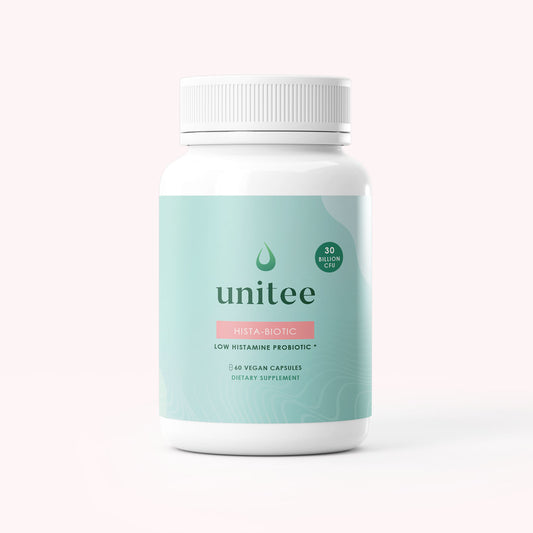
Fortunately, after some serious research and development, my team and I have been able to put these specific species and the precise stains found to be helpful into a neat package. And my Hista-Biotic - one of the few truly low histamine probiotic formulas on the market - is now available. Check it out here.
So, if you’ve ever tried probiotics and felt your histamine intolerance symptoms rage out of control, it’s likely you simply didn't have access to the correct histamine-safe probiotic strains. It may have left you feeling discouraged, believing probiotics just don't work for you - or worse - that your gut and your health are too far gone to heal.
Now you know the truth: your system was simply far too sensitive at the time you tried them and a more precise introduction is what you need. It’s understanding this piece of the puzzle that makes choosing a low histamine probiotic easier, and that your choice of probiotics is essential to the benefit and healing they offer.
References:
- Zhao Y, Zhang X, Jin H, Chen L, Ji J, Zhang Z. Histamine Intolerance-A Kind of Pseudoallergic Reaction. Biomolecules. 2022 Mar 15;12(3):454.
- Schnedl WJ, Enko D. Histamine Intolerance Originates in the Gut. Nutrients. 2021 Apr 12;13(4):1262.
- Tan Z, Ou Y, Cai W, Zheng Y, Li H, Mao Y, Zhou S, Tu J. Advances in the Clinical Application of Histamine and Diamine Oxidase (DAO) Activity: A Review. Catalysts. 2023; 13(1):48.
- Hou, K., Wu, ZX., Chen, XY. et al. Microbiota in health and diseases. Sig Transduct Target Ther 7, 135 (2022).
- Kristen Engevik, Rachel Edens, Amy Engevik, Melinda Engevik, and Thomas Horvath. Production of Histamine by Diverse Gut Bacteria Can Activate Intestinal HRH1 and Promote Calcium Mobilization. Physiology 2024 39:S1.
- Hrubisko M, Danis R, Huorka M, Wawruch M. Histamine Intolerance-The More We Know the Less We Know. A Review. Nutrients. 2021 Jun 29;13(7):2228.

Anita Tee
My name is Anita Tee. I'm a nutritional scientist specializing in histamine intolerance. I hold a Master of Science in Personalized Nutrition and a Bachelor of Science in Human Biology and Psychology.
For the past ten years, I have used my experience in nutritional and medical health sciences to create a scientifically backed, natural approach to healthcare that relies 100% on evidence-based research.
As I previously suffered from - and overcame - histamine intolerance, my focus is to increase recognition and expand the available resources and protocols for resolving the disorder. To date, I have helped over 4,000 individuals fully resolve or better manage their histamine intolerance symptoms.