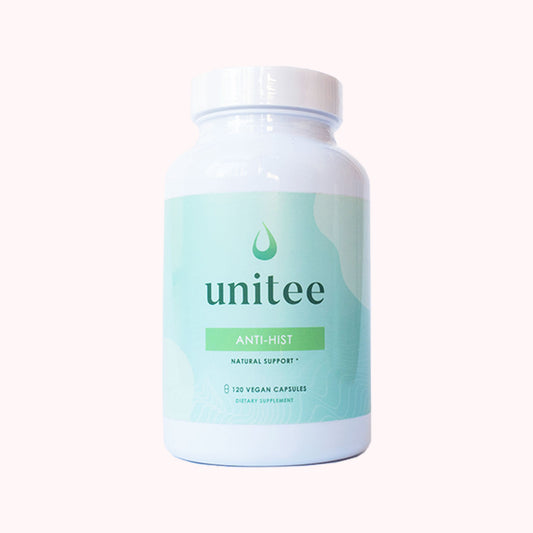
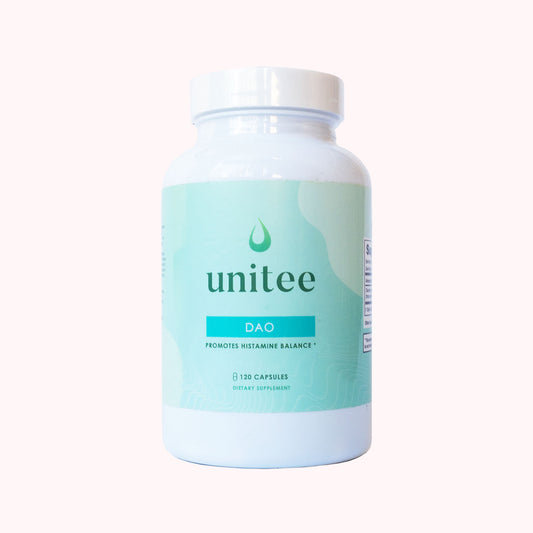
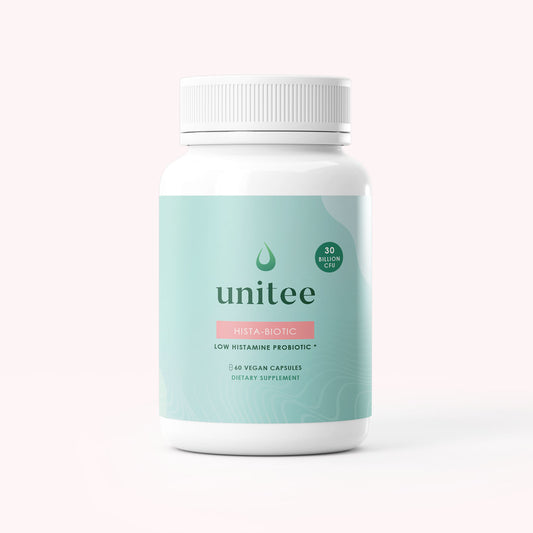
Living with histamine intolerance can have serious and negative effects on your quality of life.
As if living with the daily bothersome symptoms - hives, headaches, itching eyes and nose, insomnia and digestive issues - wasn't bad enough, histamine intolerance can leave you feeling downright fearful of exposure to otherwise harmless triggers in your food and environment. Eating even a simple meal you used to enjoy may feel like the biggest risk as you become increasingly unsure about what your body can tolerate.
I understand exactly what this feels like. My own experience with histamine intolerance was an excruciating and long journey. I often felt confused and isolated, not knowing what was going on with my body. The unpredictability of the condition and its symptoms left me fearful I would never get better, but I painstakingly continued to try to figure out what I needed to do to heal.
Today I can gratefully say I have healed, but it was by no means an easy or straightforward process. I know from my own personal experience, there’s likely a number of factors at the root cause of your histamine intolerance and some of them need more thought and care… While I want to reassure you that healing is possible, perhaps right now you too need a longer term plan to manage your symptoms while you work on rebalancing your body back to a state of health, just like I did.
To keep you on track and motivated to stick to your end goal of healing from histamine intolerance, I’m going to break it down for you. Let me help you to move past the fear and into the feeling of freedom with this step-by-step, long term healing plan with individual short-term goals you can use for support along the way.
Step 1: Understanding Your Histamine Intolerance Plan for Life
As you know, when histamine is in excess in the body, it can affect every system. It does so by binding to one of the four histamine receptors known as H1, H2, H3, H4, which are located throughout your skin, circulatory system, digestion, respiratory system and central nervous system. Typically, there’s an issue with the breakdown of histamine with underfunction of the main degrading enzyme called diamine oxidase (DAO). When DAO is low, consumption of higher histamine foods leaves more histamine available to be absorbed into your body, excessively activating the receptors and triggering symptoms (1). Histamine intolerance can also be caused by a high production of histamine by an imbalance in your gut bacteria where a gut infection or long term course of antibiotics may leave opportunistic histamine-producing species, such as klebsiella, able to flourish.
Whatever the cause, the first foundational step in your long-term plan addressing histamine intolerance is to understand healing from histamine requires both addressing your histamine load as well as improving your body’s ability to clear histamine (2). The concept of clearing histamine load will also become more evident when we discuss the root cause of your condition.
Now, balancing your body’s histamine levels can be done by lowering your intake of histamine through your diet and addressing lifestyle factors known to impact histamine production, such as stress, extreme temperature changes and even exercise (3). Clearing histamine comes in the form of enzyme support such as taking a DAO supplement, as well as repairing your gut environment and supplying your body with the right nutrients it needs to heal.
Step 1 Goal: Understand the process of healing from histamine and set yourself up with the tools you’ll need to succeed. Lowering your intake of histamine alone will provide significant relief from your symptoms, but alone, it won’t help you to heal. Implementing strategies to lower your histamine load along with addressing the cause of your ineffective histamine clearance is key to overcoming your symptoms for good.
That brings us to step 2 of the histamine intolerance plan for life.
Step 2: Following a Low Histamine Diet To Reduce Histamine Load
Changing your diet is a key first step when it comes to reducing your body’s overall histamine load (4). When you follow a low histamine diet, it can provide a significant amount of symptom relief, giving your system a bit of breathing room while you carry out the other steps of the plan.
Many of my clients feel like this is one of the easiest steps to implement. Not only because the effects are noticed in a short amount of time - sometimes within days - but because I provide everyone with a comprehensive low histamine food list I have created to make it as easy as possible. There are two main strategies for implementing the low histamine diet using my list. Most people find it helpful to print out the list and then:
- Highlight the foods they like in the ‘allowed’ column; or
- Highlight the foods they typically eat in the high histamine ‘restricted’ column, then find equivalent low histamine foods in the ‘allowed’ column.
Work with whichever option you feel suits your situation the best; you can even use a combination of the two to get the most out of your low histamine diet.
Once you know the types of foods you can eat, the next essential part of following a low histamine diet is putting the foods together to form a well-balanced nourishing meal. For each meal, you want a mix of the essentials: a protein, a carbohydrate, as many vegetables (or a fruit for breakfast) as you can, and a small amount of fat. A snack will usually consist of a protein and a carb, a fat and a carb, or a protein and a fat source, and then add vegetables or fruit as you like.
For example, breakfast may include a scoop of low histamine protein powder such as pumpkin seed protein mixed into cooked gluten free rolled oats, chopped apple and a small serving of chopped macadamia nuts. Lunch or dinner can include a serving of grilled chicken breast served with grilled vegetables such as carrots, cauliflower, broccoli and sweet potato. As a fat, you can drizzle a little melted pure, grassfed salted butter over your vegetables as tolerated. Add fresh herbs as desired.
As you can see, eating complete, delicious and healthy meals is possible while following a low histamine diet; you just need the tools to do it!
Because the histamine content of each food is difficult to standardize, I highly recommend using only the “allowed” list for the first 2-4 weeks of your plan. When you’re eating only low histamine foods, it can quickly give you an idea of other triggers you need to address if you’re still having flares. It can also give you an idea as to whether you are just histamine intolerant, or if there’s something else going on.
Another suggestion I usually make to my clients starting out on a low histamine diet is to eat only cooked foods for 2-4 weeks, especially when it comes to fruit and vegetables. Chopping and cooking helps to break down some of the tough fibers, which may still be aggravating to your digestive system in these early days.
Step 2 Goal: Start implementing a low histamine diet to determine the effect it has on your symptoms. While the goal is to eat only low histamine foods for 2-4 weeks, some of you may take a couple of weeks to fully implement this way of eating. Know that this is OK! As soon as you’re able to eat only low histamine foods, your 2-4 weeks of eating low histamine with symptoms tracking can start.
Step 3: Clearing Histamine With a Focus on the Gut
Because the gut is a significant source of histamine as well as histamine clearance, healing your digestive system is a critical part of the long term plan for histamine intolerance (5).
The key aspects to consider when you’re addressing gut health in healing from histamine intolerance are:
- Ensuring optimal nutrient intake from low histamine nutrient-dense food (see above low histamine diet tips)
- Balancing your gut microbiome to reduce the number of histamine-producing species while allowing beneficial bacteria to flourish (please read this article on probiotics and histamine intolerance before adding probiotics to your routine)
- Identify and address conditions affecting your gut (6), which may lead to or worsening histamine intolerance (for example SIBO, inflammatory bowel diseases, IBS, celiac disease)
- Optimize overall gut function by addressing low stomach acid, enhancing digestion with enzymes and promoting bile flow by eating when calm, chewing your food thoroughly before swallowing and allowing at least 3 hours between meals and snacks
- Promote elimination to reduce the risk of higher histamine absorption with constipation by including as many low histamine vegetables in your diet, chewing your food thoroughly and optimizing hydration
Step 3 Goal: Focus on each aspect of your gut health you feel may be suboptimal. Speak to your doctor about testing for conditions affecting your gut should you believe these are playing a role in your histamine intolerance. Avoid taking too many additional supplements of combination products promising improved gut health. They may only make your symptoms worse. Lowering your histamine intolerance and optimizing your gut function will go a long way to healing overall.
Step 4: Testing Your Tolerance
Once you’ve lowered your histamine intake and optimized your gut health, which can take anywhere between 4-12 weeks depending on the severity of your symptoms, you can begin safely expanding your diet and testing your tolerance.
With your symptoms under control, select 5 foods from the ‘restricted’ list you’ve either tolerated well before, or have greatly missed eating. Add a small serving - about 1-2 tablespoons - of one of the foods to an otherwise well-tolerated low histamine meal and track your symptoms over 2-3 days. If you experience no symptoms, the food is considered safe. If you experience symptoms, the food is likely above your histamine threshold.
Now try another food on the list and do the same.
Once you’ve tested each of the 5 foods, choose 5 more. Each ‘safe’ food can be added to your regular diet in small amounts.
Continue to be aware of other triggers like stress, sleep, and the environment and how they may play a role in reactions. It will give you additional clues as to whether you’re experiencing a true food reaction vs a lifestyle one.
As you expand your diet and become more resilient, don’t be discouraged if you still experience some minor flares. Remember, you’re likely to continue to have a threshold through your healing journey; the experience now is learning about what that is and managing it long term.
Step 4 Goal: Rigid food restriction for a long time is not the answer to healing from histamine. And while tighter control over your histamine intake is likely needed, the goal is to expand on your nutrient intake as soon and as safely as you can. Once you’ve taken charge of the root cause of your histamine intolerance, the next step in your long term plan for histamine intolerance is to… get off the plan! Here you’ll continue to keep a strict food and symptom diary and introduce foods slowly and to tolerance. And with that, you can now taste the food freedom that is just around the corner.
Step 5: Your “Long Term” Long Term Plan for Histamine Intolerance
Having more food freedom and experiencing little to no histamine flares can feel liberating. And having followed the plan to get to this point is no small feat. The last step is to continue to keep yourself well.
- Check in with yourself every 6 months and review your gut health and nutrient intake as well as lifestyle factors such as sleep quality, stress management and hormonal health. If maintenance is needed in any of these areas, take 2-4 weeks to focus on giving this area of your life some TLC.
- Have a plan for coping with changes in your life. For example, if you’re planning to travel, have had an illness or are experiencing physiological life changes such as pregnancy or menopause, implement the steps in this plan to initiate a reset, if required.
- Keep your mental health strong by continuing to focus on social and psychological support. Don’t let depression, anxiety, loneliness or stress be the reason for your body’s histamine imbalance (7).
Step 5 Goal: Continue to overcome your fear of histamine intolerance and build healthy resilience by being organized and having a plan. Celebrate all of your wins, and use the knowledge you’ve gained about your condition to empower you when things might not go according to plan.
Finals Words for Your Long Term Plan for Histamine Intolerance
Histamine intolerance is more than a food sensitivity - it’s a complex condition affecting every aspect of your body from your skin, to your digestion, mood and ability to get good quality sleep. Everyday living with histamine intolerance may feel like a battle, marked with fear and frustration, never knowing when you’re going to be exposed to a trigger, causing your symptoms to flare. While healing from histamine may seem like a long and arduous process, there is hope.
Follow this step-by-step plan and focus on the little goals you can achieve. Throughout this journey, you’ll understand more about what has caused your histamine in the first place, why you’re reacting like you do and most importantly, be able to put practices in place to reach your ultimate goal: recovery. You’ve got this… take it one step at a time.
For those wanting to understand healing from histamine intolerance on a deeper level, click here to explore my five self-paced educational modules covering the science, triggers, and practical steps you can take for each stage of recovery.
References
-
Comas-Basté O, Sánchez-Pérez S, Veciana-Nogués MT, Latorre-Moratalla M, Vidal-Carou MDC. Histamine Intolerance: The Current State of the Art. Biomolecules. 2020 Aug 14;10(8):1181.
-
Jochum C. Histamine Intolerance: Symptoms, Diagnosis, and Beyond. Nutrients. 2024 Apr 19;16(8):1219.
-
Maintz L, Novak N. Histamine and histamine intolerance. Am J Clin Nutr. 2007 May;85(5):1185-96.
-
Wantke F, Götz M, Jarisch R. Histamine-free diet: treatment of choice for histamine-induced food intolerance and supporting treatment for chronic headaches. Clin Exp Allergy. 1993 Dec;23(12):982-5.
-
Schnedl WJ, Enko D. Histamine Intolerance Originates in the Gut. Nutrients. 2021 Apr 12;13(4):1262.
-
Zhao Y, Zhang X, Jin H, Chen L, Ji J, Zhang Z. Histamine Intolerance-A Kind of Pseudoallergic Reaction. Biomolecules. 2022 Mar 15;12(3):454.
- Nosková E, Vochosková K, Knop V, Stopková P, Kopeček M. Histamine intolerance and anxiety disorders: pilot cross-sectional study of histamine intolerance prevalence in cohort of patients with anxiety disorders. Eur Psychiatry. 2022 Sep 1;65(Suppl 1):S387–8.

Anita Tee
My name is Anita Tee. I'm a nutritional scientist specializing in histamine intolerance. I hold a Master of Science in Personalized Nutrition and a Bachelor of Science in Human Biology and Psychology.
For the past ten years, I have used my experience in nutritional and medical health sciences to create a scientifically backed, natural approach to healthcare that relies 100% on evidence-based research.
As I previously suffered from - and overcame - histamine intolerance, my focus is to increase recognition and expand the available resources and protocols for resolving the disorder. To date, I have helped over 4,000 individuals fully resolve or better manage their histamine intolerance symptoms.